Choose the date and location that works best for you.
If you answered yes to any of these questions, this course is designed for you.
RegisterPolarisation — the “us versus them” mindset — is a natural part of interactions between groups of people and is not inherently negative. It is a common social phenomenon that appears in democratic debate, civic engagement, and efforts to bring about change.
It can be seen in politics, urban planning, public administration, and interpersonal relationships — among world leaders, family members, colleagues, and communities, both locally and globally.
It becomes a risk when it escalates into toxic polarisation. At that point, it undermines trust, weakens dialogue and cooperation, deepens conflict, and negatively affects democracy, public institutions, and social cohesion.
This course will help you recognise this dynamic and work with it strategically.
Where polarisation appears
The course was developed in collaboration with Bart Brandsma, an internationally recognised Dutch expert in strategic approaches to polarisation. The goal of the course is not to eliminate polarisation, but to help participants work consciously and strategically with polarised situations in the public sphere.
A clear and practical framework for understanding the “us vs. them” dynamic.
An analytical tool for quickly diagnosing specific polarised situations.
Concrete interventions with direct impact on polarised situations.
A structured approach to planning and implementing a concrete depolarisation strategy.
Principles of middle-ground leadership and reflection on your own style in polarised situations.
Tools tested on case studies and situations from your own professional environment.
The course takes place in a small group (min. 8 – max. 16 participants). We use Art of Hosting facilitation methods to create a pleasant, trusting, and safe atmosphere.
The course is intended for everyone who encounters polarised situations and cares about democracy, social cohesion, and effective public policy. It is aimed especially at so-called “neutral” professionals:
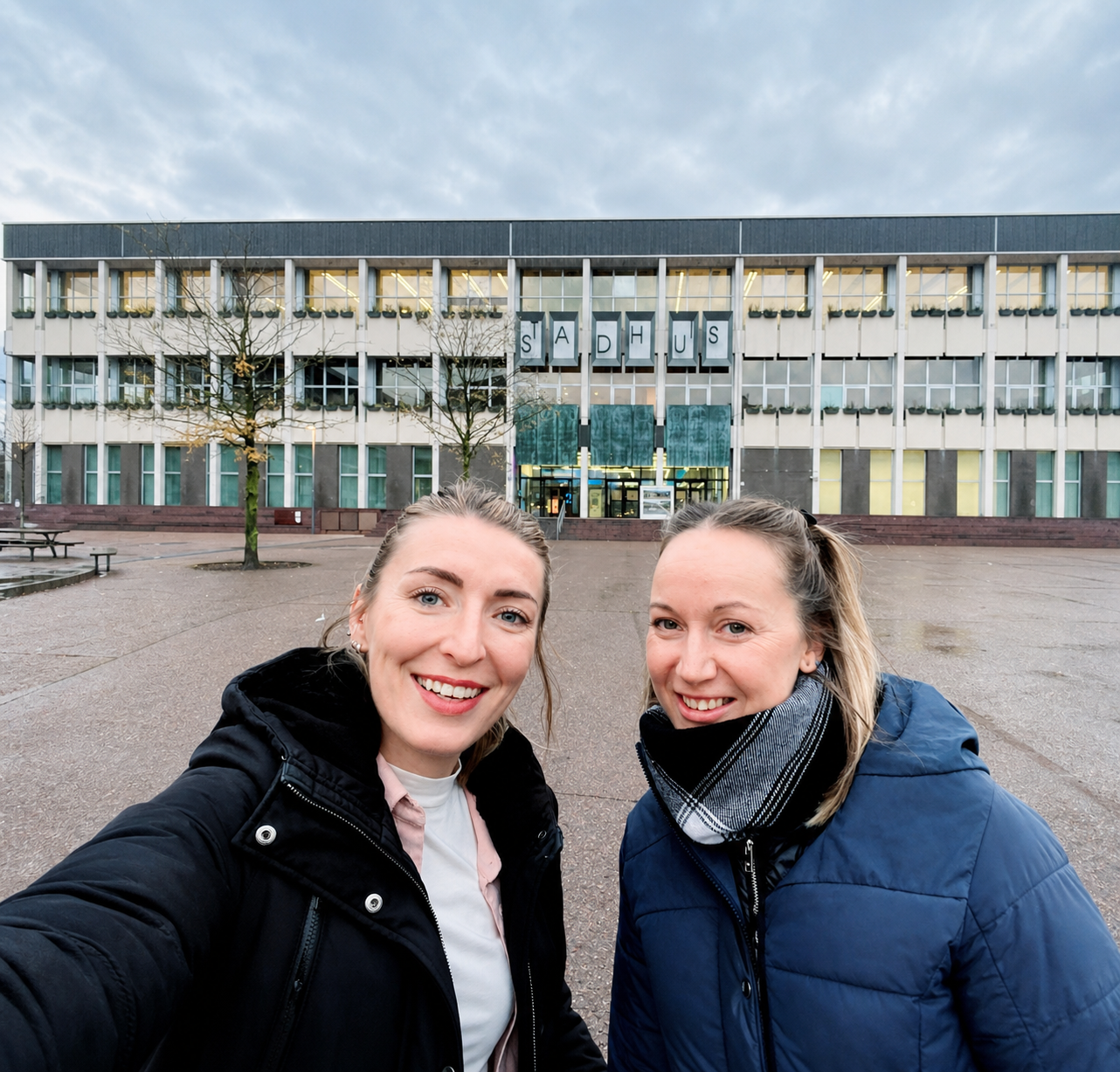
She comes from Banská Bystrica and earned her Master of Laws degree at Comenius University in Bratislava. After completing her studies, she spent a nine-month internship at the Czech Women’s Lobby in Prague, where she worked as an assistant project manager on the project Defending Women’s Rights in the Czech Republic, which marked the beginning of her work in the non-profit sector. Since 2022, she has served as the director of Dialogue Centre.
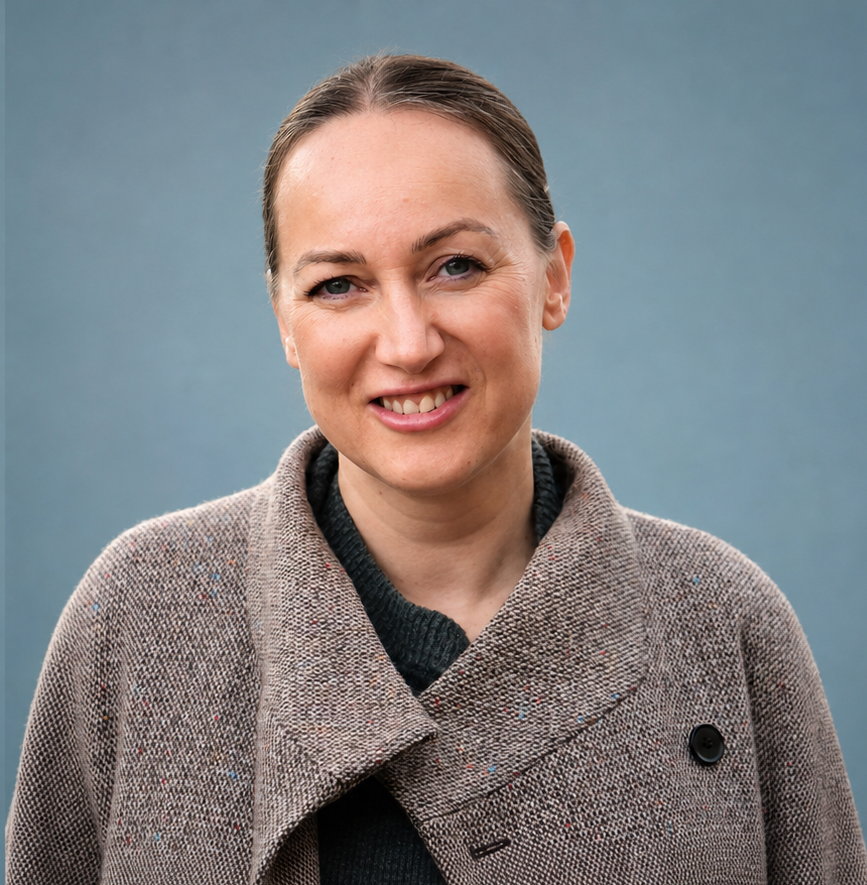
Soňa, with a passion for dialogue culture and open governance, leads the Department of Participation and Innovation in Open Governance at the City Office in Banská Bystrica. She is also involved in the OGP Local initiative, where she supports transparency and partnership. As the founder of DC and an expert in democratic innovation, she also brings insights from business psychology, which she studied in London.
She comes from Banská Bystrica and earned her Master of Laws degree at Comenius University in Bratislava. After completing her studies, she spent a nine-month internship at the Czech Women’s Lobby in Prague, where she worked as an assistant project manager on the project Defending Women’s Rights in the Czech Republic, which marked the beginning of her work in the non-profit sector. Since 2022, she has served as the director of Dialogue Centre.
Soňa, with a passion for dialogue culture and open governance, leads the Department of Participation and Innovation in Open Governance at the City Office in Banská Bystrica. She is also involved in the OGP Local initiative, where she supports transparency and partnership. As the founder of DC and an expert in democratic innovation, she also brings insights from business psychology, which she studied in London.
Early bird discount: Save €30 by registering before the stated deadline.
Early Bird: €130 until 9th of September
Early Bird: €90 until 9th of September
Early Bird: €130 until 9th of September
Public administration
Employees of the Municipal Office in Banská Bystrica share how the course changed their perspective on everyday work with polarised groups of residents.
Community & local government
Community leaders and local government representatives talk about how they use course tools to reduce tension in their local environments.
Diplomacy
Diplomatic staff from the British Embassy reflect on how the course helped them better navigate politically sensitive and polarised environments.